


That’s a wrap on November — and on the AI Agents Foundations series.
If you’ve been following along, the full roadmap is now ready, with the final four articles covering everything from planning to multimodal AI agents.
To ensure you haven’t missed anything, we’ll provide a quick recap of the final lessons, highlight a fantastic guest article, and give you a sneak peek at what's coming next.
November Highlights
A 9-part journey from Python developer to AI Engineer. Made by busy people. For busy people.
Remember the big questions we set out to answer with this series?
What’s the real difference between a workflow and an agent? How do you build planning, tool use, and memory? How does an AI agent use them? And most importantly, where do you even start?
We built the AI Agents Foundations series to be the roadmap for exactly that. A 9-part, straight-to-the-point journey, built from scratch to give you the mental models to ship real agents in production.
And now, the full roadmap is live. The final four articles cover everything from agentic planning to building systems that can “see”.
Here are the last pieces of the puzzle:
Lesson 6. Planning: ReAct & Plan-and-Execute
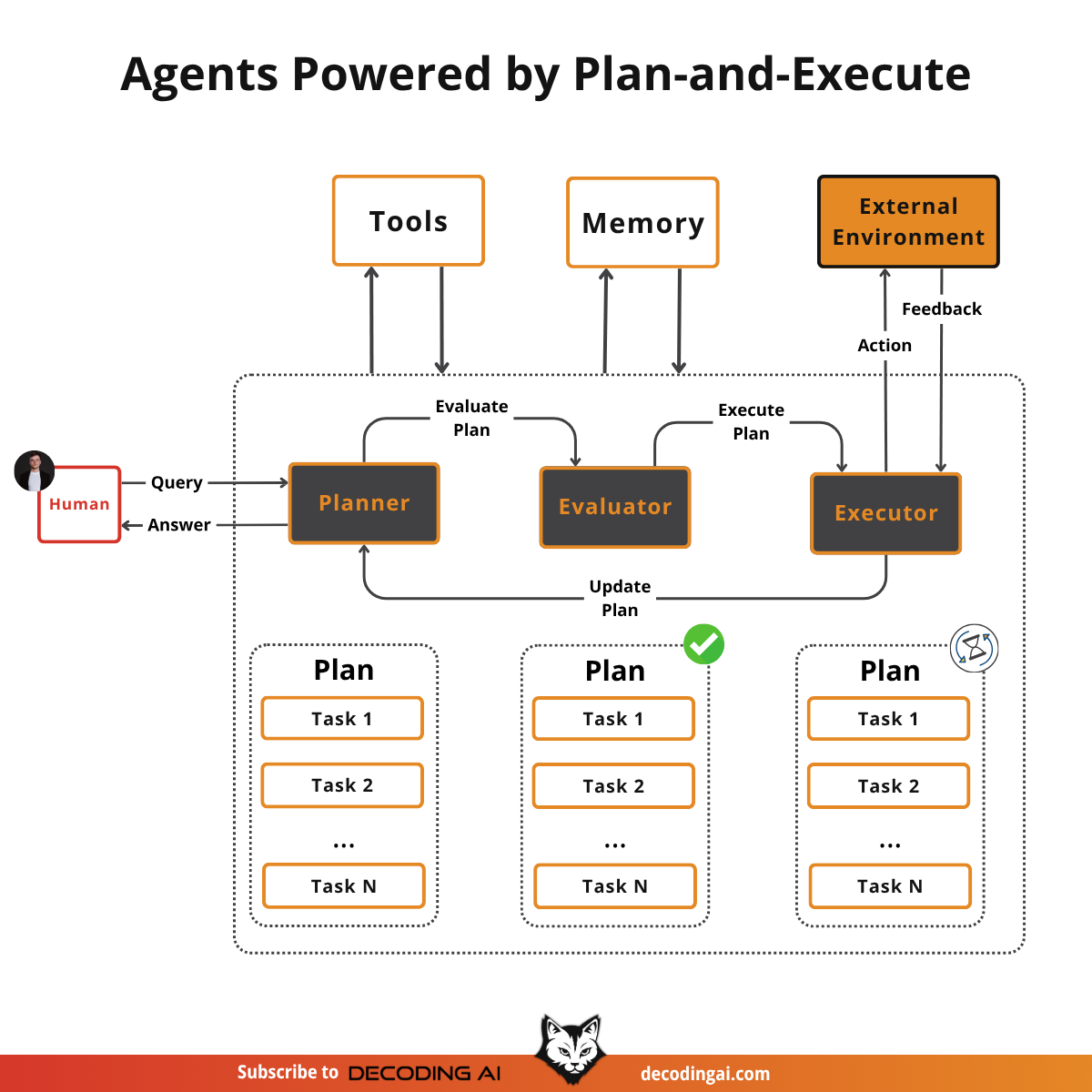
This is the “special sauce” that separates a simple workflow from a true agent: planning. The article breaks down why simply calling tools in a loop fails and introduces the two core planning methods you need to know. Go to lesson.
Lesson 7. Building Production ReAct Agents From Scratch Is Simple
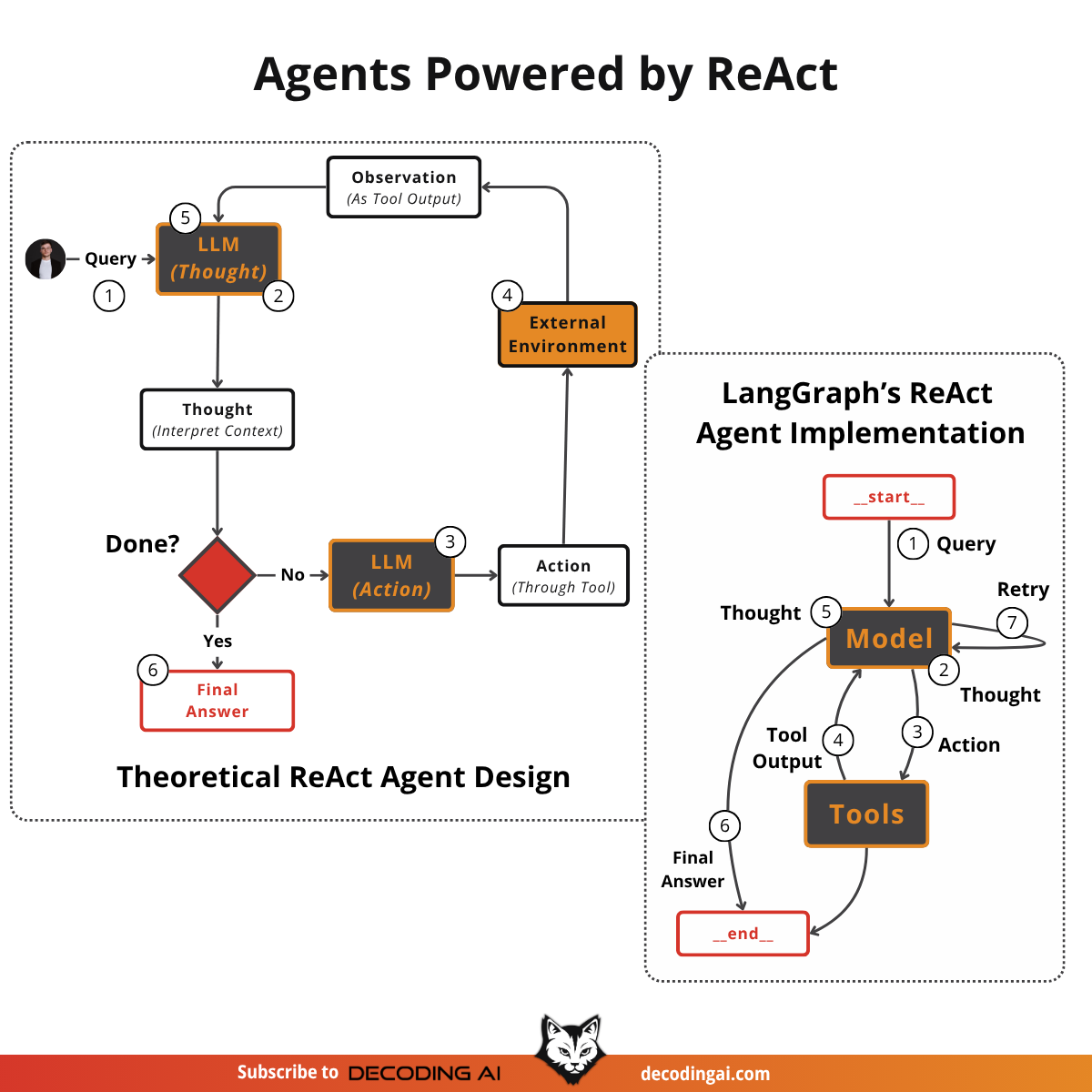
Frameworks can sometimes add more complexity than they solve. This lesson dives under the hood to build a ReAct agent from scratch, so you understand the core logic, not just the tool. Go to lesson.
Lesson 8. How Does Memory for AI Agents Work?
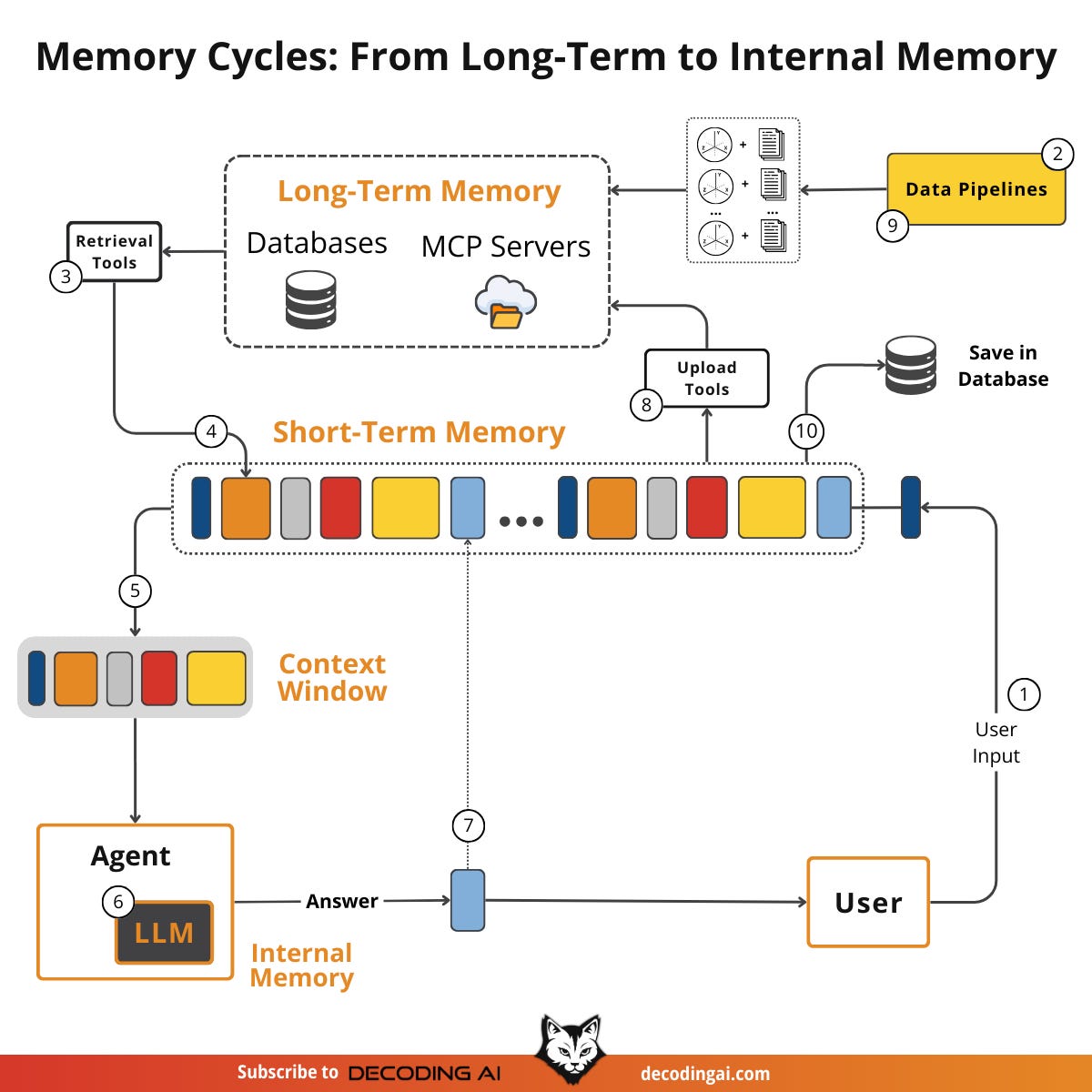
An agent without memory is like an intern with amnesia. This lesson breaks down how to architect memory systems that are actually fast and cost-effective, and why the default RAG approach isn’t always the answer. Go to lesson.
Lesson 9. Stop Converting Documents to Text. You’re Doing It Wrong.
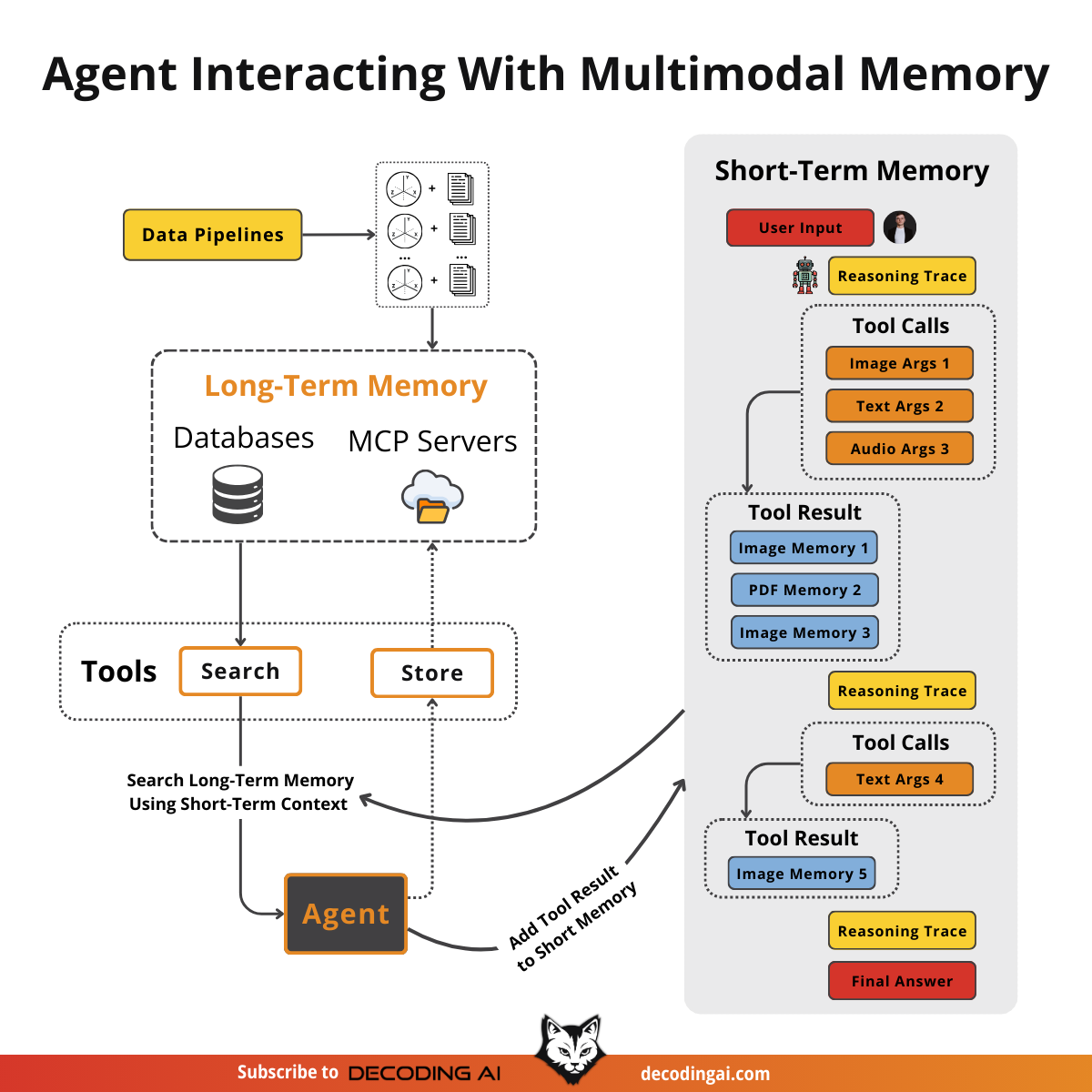
Real-world data isn’t just text. This guide shows you how to skip “OCR purgatory” by building agents that can “see”—processing images, PDFs and audio directly for faster, cheaper, and more powerful results. Go to lesson.
Building the agent is one thing; controlling its output is another.
On that topic, we had a great guest post from Shmulik Cohen, a tinkerer who tries every new tool by hand and explains how it works.
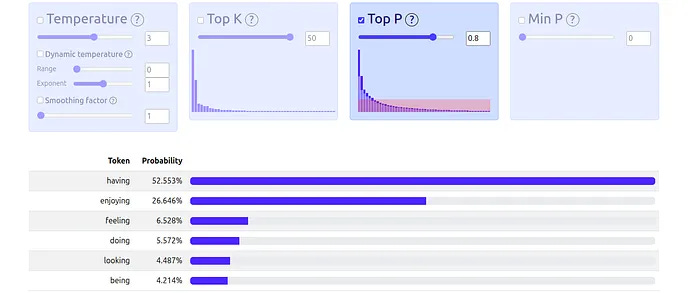
His article is a deep dive into LLM samplers, the secret sauce that controls an LLM’s output quality and style. Shmulik explains how they work and, more importantly, how to use them to get the exact results you’re looking for. Read more.
What’s next?
ZTRON SF presentation on building & shipping vertical AI agents to production
This past month, together with the ZTRON team, I gave a presentation in San Francisco on building and shipping vertical AI agents to production. I’m working on a full article about it, but here’s a quick sneak peek.
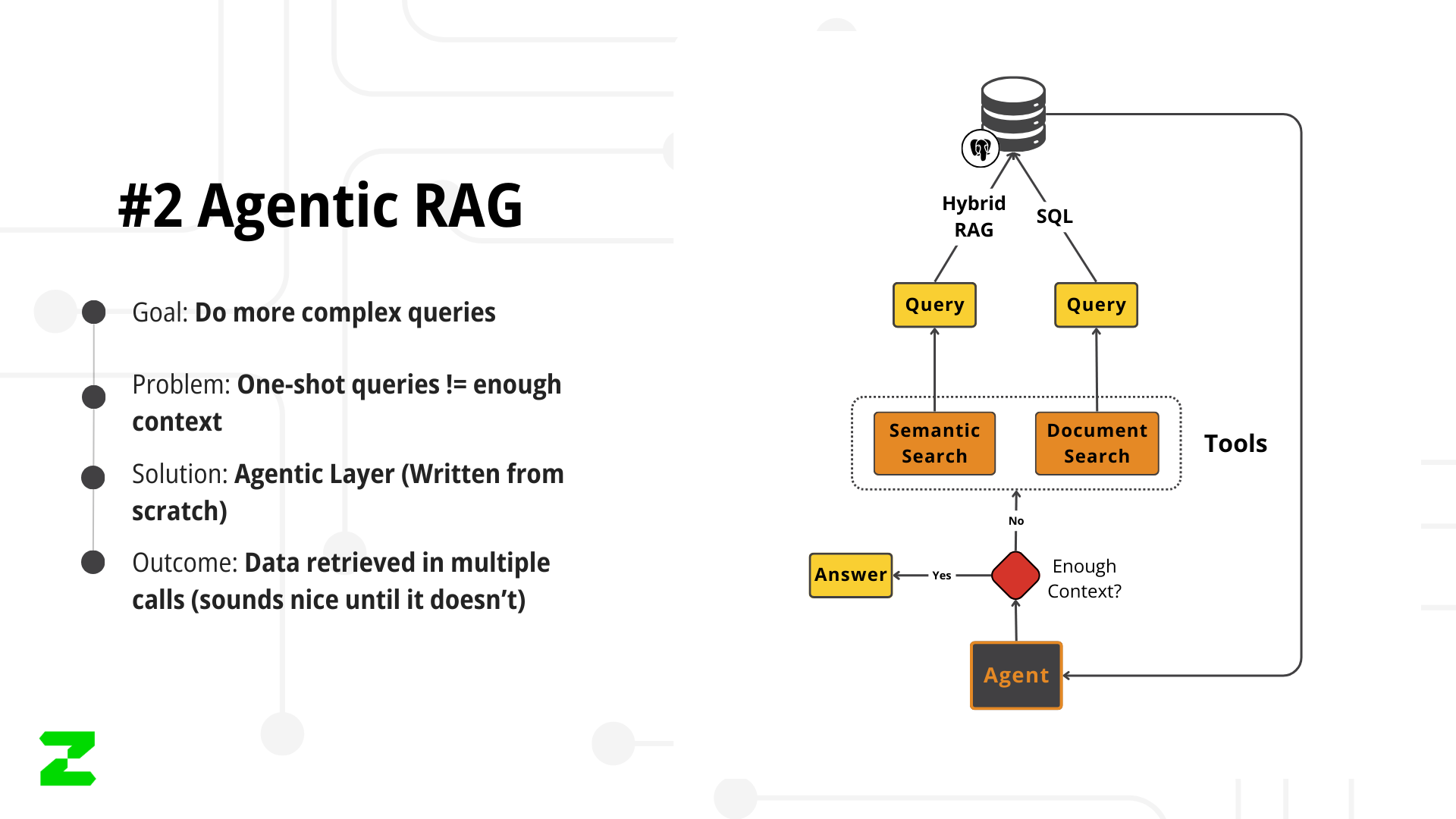
We learned the hard way that more AI complexity doesn’t mean better systems.
RAG and agentic layers looked good in theory, but broke down in production. Things improved only after simplifying the architecture and designing for real production behavior, not demos.
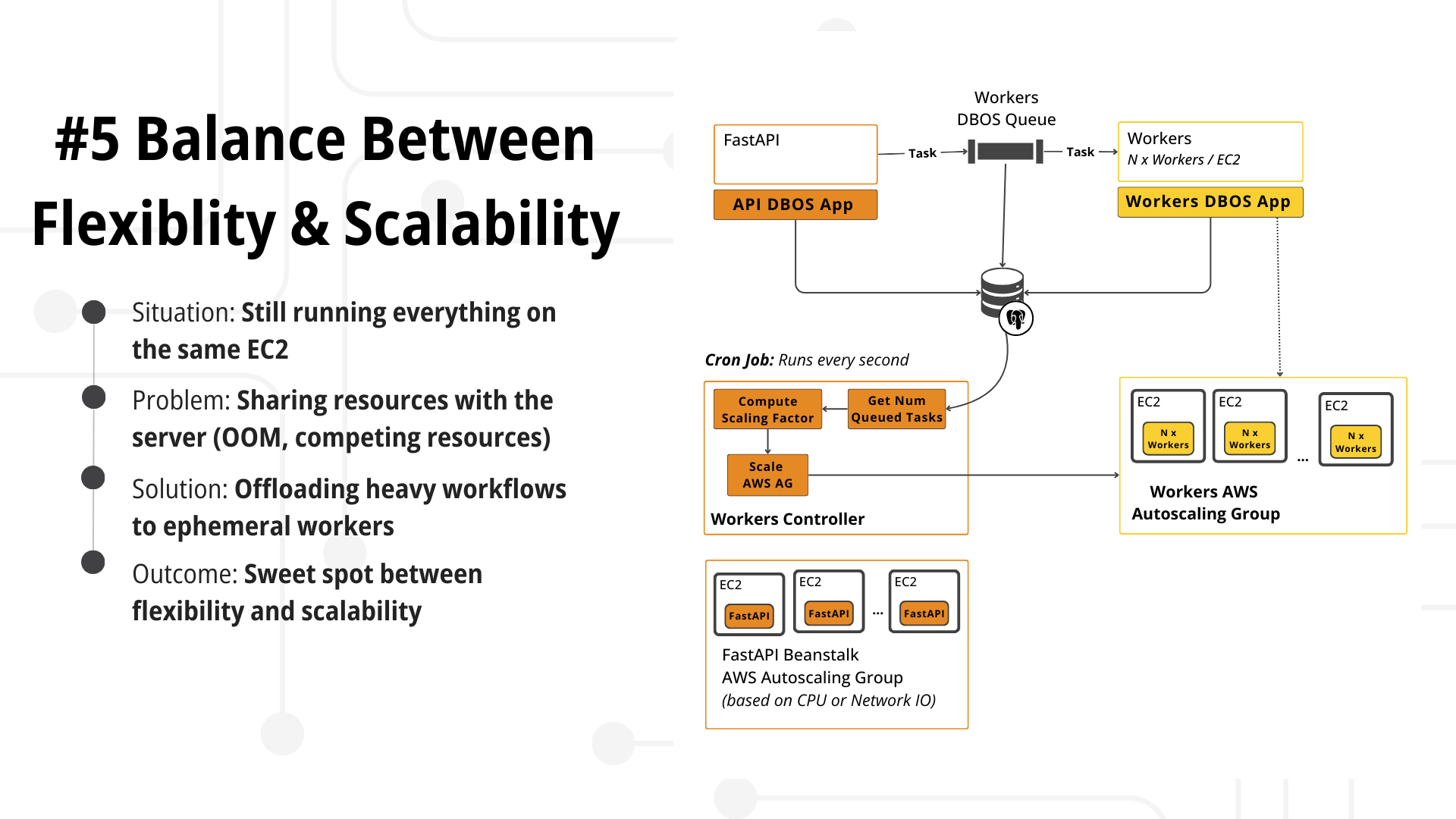
I’ll share the full breakdown soon, including why knowledge graphs and smaller, domain-focused models turned out to be a better fit for vertical agents than fancy RAG pipelines.
AI Evals series
I’m happy to share that I’m starting a new series on AI Evals, focused on defining business-level metrics and using LLM judges to measure whether an AI app is actually delivering useful outcomes.
The goal is to go beyond generic metrics and look at what really matters in practice, using evals to guide development decisions and improve the system over time.
See you next week.
What’s your opinion? Do you agree, disagree, or is there something I missed?
Enjoyed the article? The most sincere compliment is to share our work.
How can I help
Join the waitlist for our latest course on Agentic AI Engineering, where you will learn to design, build, evaluate, and deploy sophisticated, production-grade AI agents and workflows. Done with Decoding AI’s builder mentality, the course consists of 30+ lessons, with code and theory, during which you will build a real-world AI product that you can show off during your interviews. Done in partnership with Towards AI.
The course will be released in January 2026.
Images
If not otherwise stated, all images are created by the author.
“Building the agent is one thing; controlling its output is another.”
💯. This has been a struggle of mine a few times!
Thanks for the good 😊